The Unseen Intelligence of Life
Introduction: A Splash of Realisation
Water. It’s the stuff that makes up most of us. It’s the thing that keeps plants green, animals moving, and humans…well, alive. But what if I told you that water is the true intelligence behind all life? In a world where we tend to separate ourselves from nature, we might want to stop and rethink. Maybe it’s not that life is “alive” because of something special inside us—maybe it’s because water, in its many forms, has its own intelligence. Gasp! Yes, you read that right.
Before you close this tab and start searching for more mind-boggling conspiracy theories, hear me out. We’re about to jump right into the puddle and explore the idea that life itself could very well be water, thinking, organising, and evolving in different forms.
Water: The Original Thinker
Let’s start with the basics: water is a vital ingredient for life as we know it. All living organisms require water. But what if there’s more to it than just hydration? After all, water can morph, adapt, and thrive in various environments. It can exist in liquid, gas, and solid forms, each one an example of water’s ability to be “intelligent.” Think of water as that quiet, enigmatic genius in the back of the class—silent, yet essential to the ecosystem’s survival.
Bees: The Memory Keepers of Water’s Wisdom
Enter the humble bee. Small, industrious, and perhaps the ultimate model of teamwork, bees build intricate hives, all the while working in a perfectly synchronised dance. Could their ability to form perfect hexagonal patterns be a manifestation of water’s intelligence? After all, bees rely on water just as much as they rely on each other. Water helps bees regulate the temperature in their hives, ensuring the colony survives. So, in a sense, bees are a bit like water’s memory keepers. They collect nectar and water, and in return, they help spread water’s influence across the land.
Picture Suggestion: Include a photo of a busy bee hive in the middle of summer. A close-up image showing bees flying and gathering nectar would be great.
SEO for Image: Bees collecting water, bee hive, water and bees, insects and water.
Ants: Tiny Architects of Nature
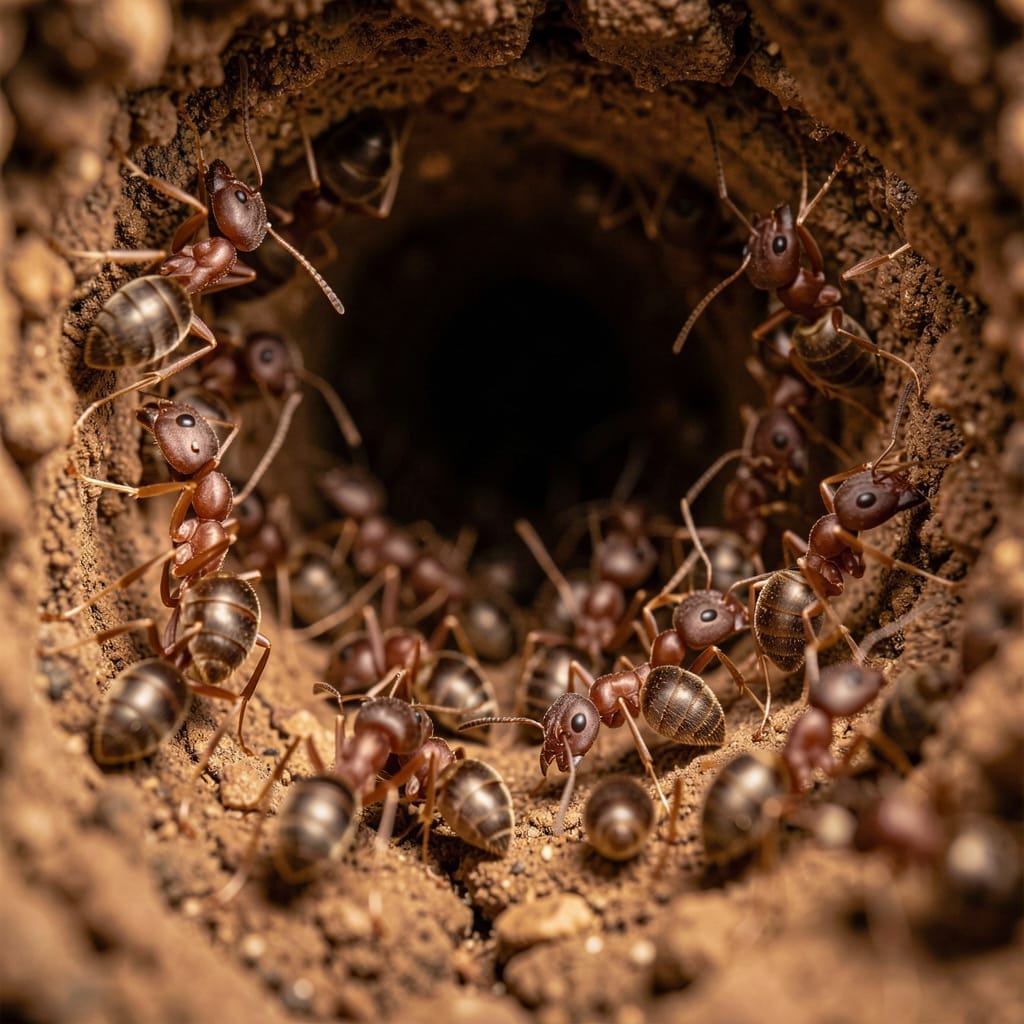
Now, let’s talk ants. Ants are the engineers of the insect world. Their nests are a feat of architectural marvels. It’s easy to forget that ants are just as dependent on water as we are. Water plays a crucial role in sustaining the colony, and it also influences the way ants build and maintain their nests. Ants don’t just dig random holes—they craft elaborate tunnel systems that allow them to manage moisture levels and control the colony’s climate. Some researchers even believe that ants’ collective behaviour is an example of water intelligence organising itself.
Could the underground network of ants be a physical manifestation of water’s intelligence in action? You could say ants are just little water-brains thinking collectively. A bit ironic, don’t you think?
Birds: Nests, Water, and Nature’s Architects
Birds rely on water for food, hydration, and nesting materials. So perhaps, in the grand scheme of things, birds are simply architects of a larger water intelligence system. Funny how something as simple as a bird’s nest can be a blueprint for understanding life itself, don’t you think?
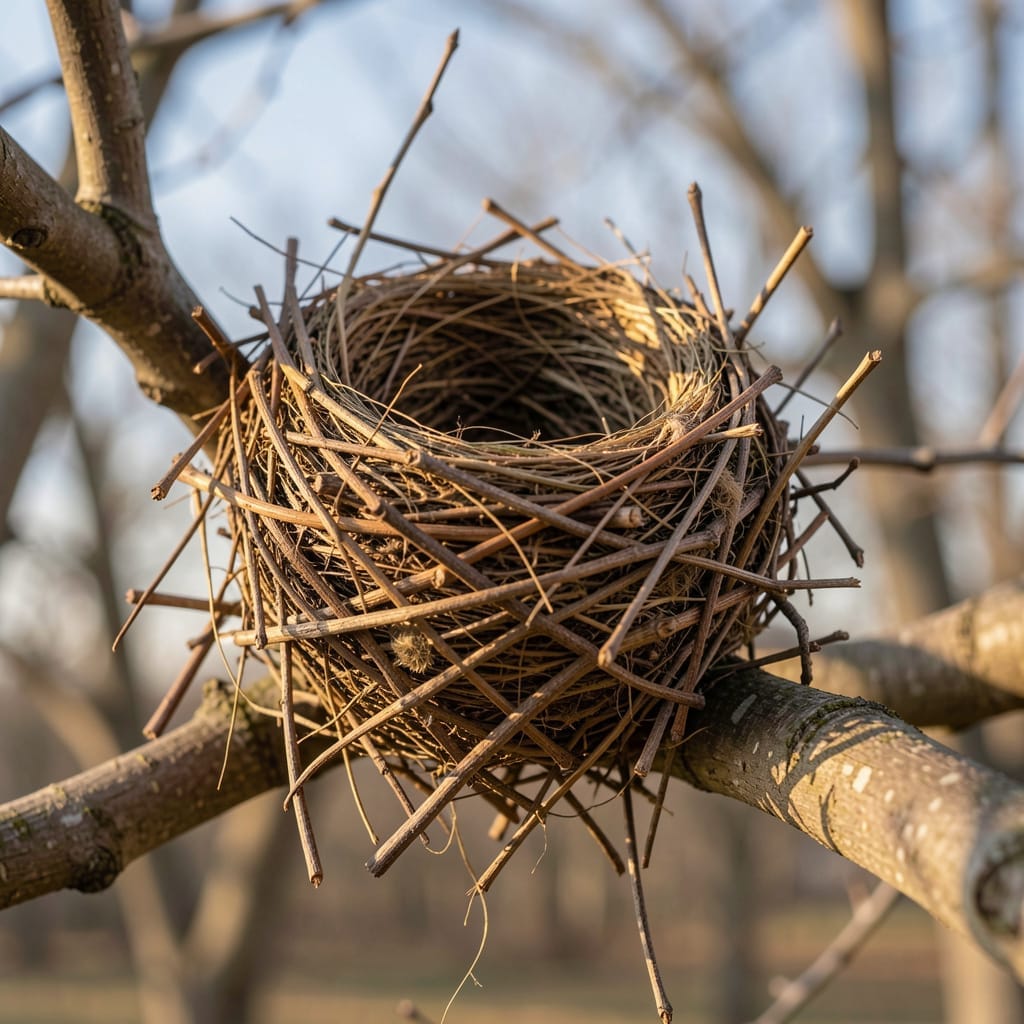
ng the intricate details.
Humans: The Ultimate Expression of Water’s Intelligence
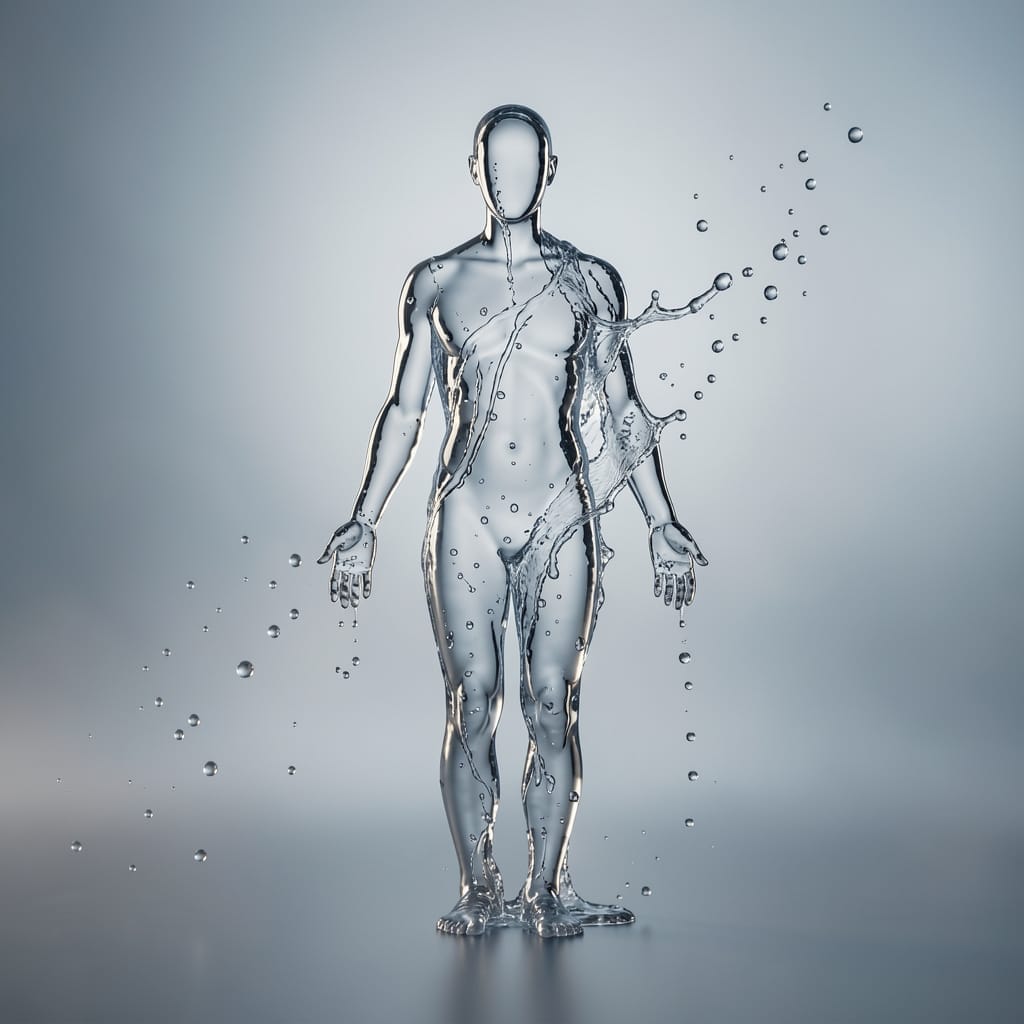
And then, we come to ourselves. Humans. We’re complex, intelligent, and…you guessed it—made mostly of water. About 60% of an adult human body is water, and nearly every system in our bodies requires water to function. So, if water is the key to life, does that mean humans are the ultimate expression of water’s intelligence?
We drink it, swim in it, bathe in it, and—let’s not forget—cry with it. We’ve built cities near rivers, lakes, and oceans because we understand the necessity of water. But are we the only species that’s aware of it? It seems like water is constantly working behind the scenes, shaping not just our biology but also our society and culture.
If water is truly alive, as we’re starting to imagine, then perhaps our cities, our social networks, and even our very ideas are simply the result of water in its most advanced form: human consciousness.
A human silhouette filled with water droplets, illustrating how we’re intertwined with water. A deep, conceptual shot that blends science and artistry.
The Real Question: Is Water the True Lifeform?
When you step back and look at the bigger picture, it’s almost as if life is not some grand design, but simply the result of water thinking and evolving in different forms. Bees, ants, birds, and humans—they all rely on water in one way or another, whether it’s for survival or creating something truly remarkable.
Could it be that life, in its essence, is just water thinking, living, and adapting in different ways? Maybe it’s not that we’re alive because of something special inside of us, but because we’re all expressions of water’s intelligence. Water might not be “alive” in the traditional sense, but what if it’s just a more sophisticated kind of life we’ve yet to understand? Could it be that the intelligence of life itself is just the intelligence of water?
Water Intelligence: A Deeper Understanding of Life
Water is more than just a vital resource for survival—it is the backbone of life itself. As we look at the intricate patterns and systems of water, we begin to realise that water is not just a substance, but an intelligent force that governs and sustains the natural world. Water intelligence refers to the inherent wisdom embedded in water systems, from the way rivers carve their paths to how rainwater nourishes crops. This concept transcends simple biological needs and taps into a deeper understanding of how water coordinates ecosystems, connects life, and ensures the continued thriving of life on Earth.
Water is an intricate communicator within nature, carrying nutrients, supporting biodiversity, and even maintaining climate balance. This profound level of complexity hints at the existence of a kind of ‘water consciousness’ that orchestrates the survival of countless species, large and small. From the smallest microorganisms thriving in water to the massive oceans that regulate weather patterns, every drop of water serves a purpose in the grand scheme of life. As we study these patterns, we are beginning to unlock the secrets of water intelligence, realising that the world operates on a level of sophistication we have yet to fully understand.
The Vital Connection: Life and Water
From the moment life began, water has been its most essential companion. The very first cells emerged from aquatic environments, marking the beginning of a lifelong relationship between living beings and water. This bond has shaped the evolutionary trajectory of all species, from the microscopic to the macroscopic. Whether it is the plants that depend on it for photosynthesis, the animals that rely on it for hydration, or the ecosystems that flourish with its presence, water has been and will always be integral to the survival of life on Earth.
The relationship between life and water is not simply one of dependency; it is a relationship that shapes behaviour, survival, and evolution. Water moulds the landscape, carving out mountains, valleys, and rivers, all while facilitating the movement of nutrients across the globe. As such, water serves as a vessel that carries life across the Earth, ensuring that no species remains isolated, no ecosystem becomes stagnant. The dynamic relationship between life and water ensures that the planet’s natural systems continue to evolve and adapt, making it essential to preserve and protect our water sources for the health of all living organisms.
Bees and Water: A Delicate Balance
Bees are often celebrated for their crucial role in pollination, but their relationship with water is equally significant. Just like all living creatures, bees need water to survive. They collect water from various sources, including flowers, ponds, and even from droplets left on leaves. Water not only hydrates bees but also aids in maintaining the delicate balance of their internal systems. In fact, bees are one of nature’s best examples of how creatures rely on water in ways that may not always be immediately obvious.
The interaction between bees and water also reveals a larger picture of ecological balance. Bees, as pollinators, are vital to plant life, which in turn sustains water cycles. By helping plants reproduce, bees contribute to the vitality of ecosystems that regulate rainfall, humidity, and the flow of water. Without bees, water cycles would be disrupted, affecting countless species, including humans. Thus, understanding the water needs of bees and ensuring their survival is essential to preserving the health of the ecosystems that rely on them.
Human Water Connection: More Than Survival
Humans have always had a deep connection with water, beyond just drinking it to survive. From ancient civilisations that built cities around rivers to modern societies that rely on water for agriculture, industry, and leisure, our bond with water has shaped our cultures, economies, and daily lives. Water not only sustains us physically but also connects us to the rhythms of nature. The sound of waves, the sight of flowing rivers, and the feel of rain on our skin all invoke a sense of peace and unity with the natural world.
In many ways, water also represents the interconnectedness of all life. Our modern lifestyle, however, has begun to sever this connection. Pollution, climate change, and water scarcity have created imbalances that challenge our relationship with this vital resource. Acknowledging and repairing this connection is key to ensuring the future of water and the survival of humanity. By fostering a deep respect for water—through conservation, ethical water management, and mindfulness—we can restore our bond with the planet’s most precious resource and ensure that future generations have access to clean, abundant water.
Nature Intelligence: The Wisdom of Ecosystems
Nature intelligence refers to the inherent knowledge and wisdom embedded in ecosystems, shaping how all life forms interact with each other and the environment. Water, in this context, is a conduit of nature’s intelligence, guiding species, plants, and natural systems to thrive in harmony. Just as bees and other pollinators are vital to the preservation of water cycles, every element of nature works together to maintain a balance that benefits all living organisms.
Water is the thread that ties together the complex web of life. Rivers, oceans, wetlands, and forests all function as living, breathing organisms, each contributing to the ecological intelligence that sustains the Earth. The forests act as filters for water, preventing soil erosion and maintaining clean waterways. The oceans regulate temperatures, helping to balance weather patterns and ensure that freshwater systems are replenished. Understanding the interconnectedness of nature, intelligence and water gives us a deeper appreciation of the planet’s natural systems and the role each organism plays in sustaining life.
Bees and water are tightly linked in ways that keep ecosystems running smoothly. Bees rely on clean, accessible water to regulate hive temperature, dilute stored honey for feeding larvae, and maintain overall colony health. In turn, by pollinating flowering plants, bees support the growth of vegetation that stabilises soils, improves water retention, and helps regulate local water cycles. This relationship reflects a broader form of nature’s intelligence, where small, often overlooked interactions create resilience across entire landscapes. When water sources are polluted or scarce, bee populations struggle; when bees decline, plant diversity and the natural balance of water in the environment can falter. Protecting both bees and water isn’t just about saving individual species or resources—it’s about preserving the interconnected systems that sustain life itself.
The Future of Water Intelligence: A Call to Action
As we continue to explore the depths of water intelligence, it becomes clear that this knowledge is not just a scientific pursuit; it is a call to action. The challenges we face with water—climate change, pollution, and scarcity—are not isolated issues. They are part of a larger narrative of human impact on the planet and the intricate connections that hold the natural world together. To preserve the intelligence of water systems and ensure the survival of life, we must act with purpose and urgency.
This involves rethinking how we manage our water resources, designing sustainable practices that reflect a deeper understanding of the natural world. It means fostering a relationship with water that goes beyond extraction and consumption, one that emphasises restoration and reverence. It’s time to embrace the intelligence of water, to learn from it, and to protect it for the future of all species, including humanity.
Conclusion: Water, the Silent Genius of Life
In the end, perhaps we should stop thinking of ourselves as the pinnacle of life. Maybe we’re just one expression of water’s vast intelligence. Life, in all its forms, could be simply the manifestations of water, adapting, evolving, and thinking in different ways. From bees and ants to birds and humans, water is the true architect behind the scenes, building intricate systems of survival, creativity, and even memory. So, let’s not forget to appreciate the humble puddle—it might just be the brainchild of water itself, thinking in ways we haven’t yet grasped.
Leave a Reply