Introduction: Where Stories Escape the Frame
In an era where digital content floods every platform, few creators manage to transcend noise and craft something truly immersive. Jean-Philippe, widely recognised as @Roswarcus, is one such figure—a creator whose work blurs the boundary between cinema, digital art, and narrative design.
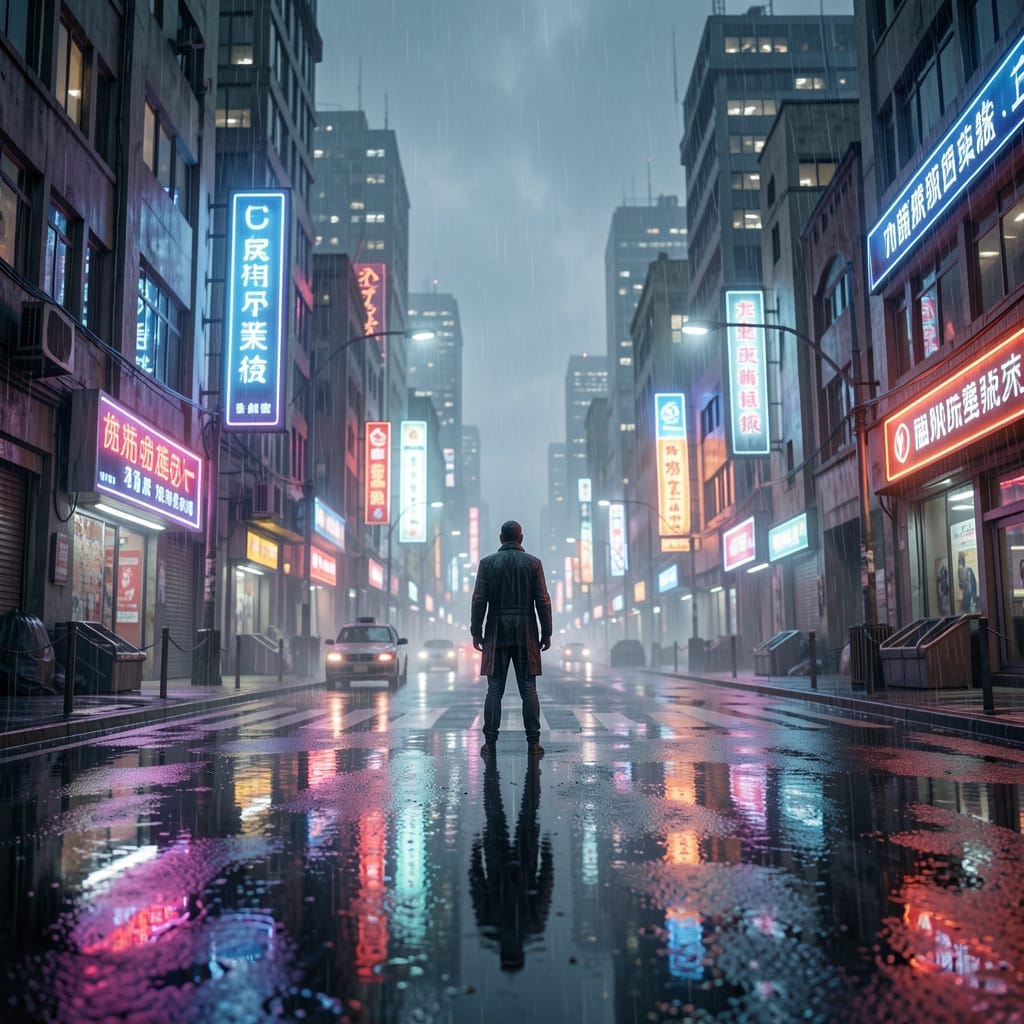
His creations are not merely visuals; they are moments suspended in time, fragments of larger worlds that feel as though they exist beyond the screen. Each piece invites the viewer into a story already in motion—a hallmark of cinematic storytelling that prioritises emotion, atmosphere, and narrative depth.
This approach reflects a broader creative truth: audiences are drawn not just to visuals, but to meaning. As modern filmmaking theory suggests, the power of cinema lies not in spectacle alone but in its ability to immerse viewers in a story and evoke emotional response.
The Signature Style of @Roswarcus
Jean-Philippe’s work stands out through three defining pillars:
1. Cinematic Composition
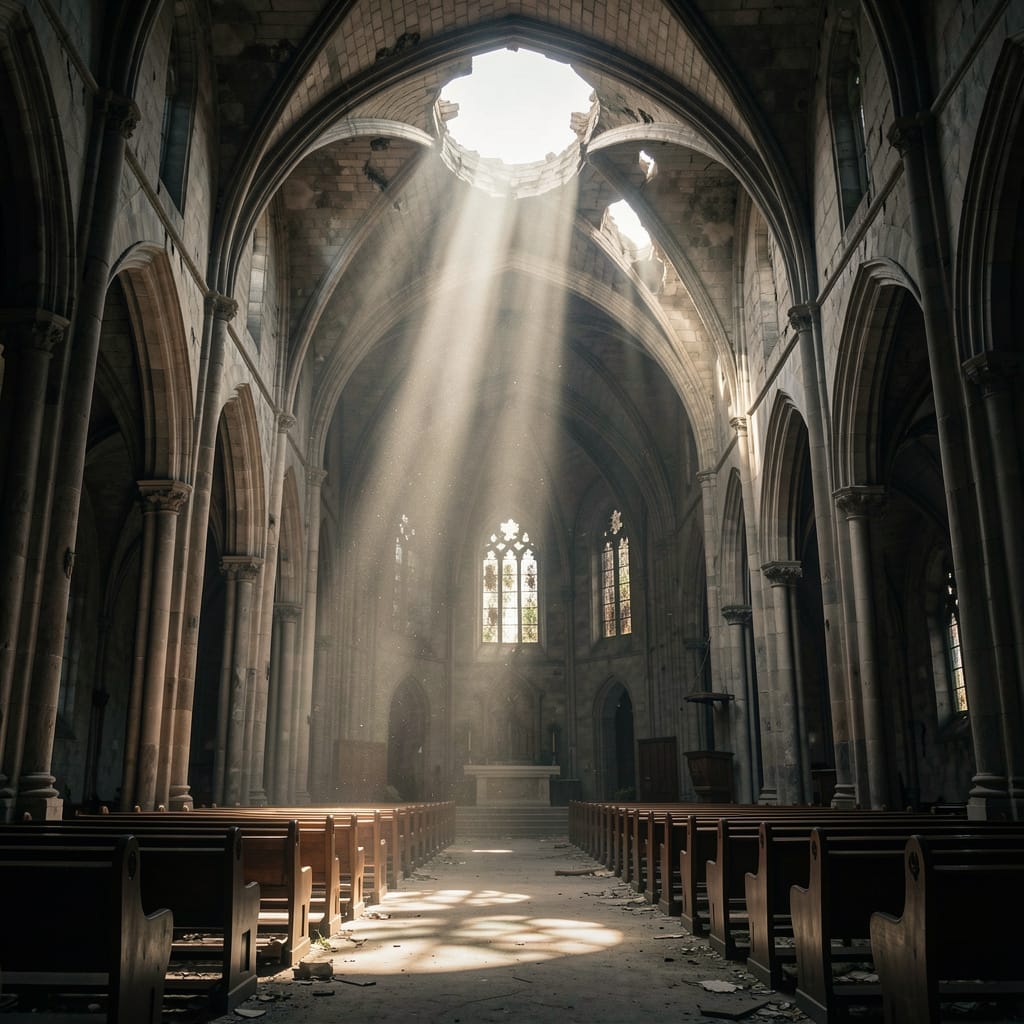
Every frame feels intentional—like a still pulled from an unseen film. Lighting, depth, and perspective are used not just for beauty but to guide the viewer’s eye and emotion.
This aligns with core cinematic principles, where visual composition shapes meaning without dialogue. Carefully arranged elements within a frame can evoke tension, calm, or curiosity.
2. Story-Driven Imagery ( theres a free version)
Unlike typical digital art, Roswarcus’ creations rarely exist in isolation. Each image hints at:
- A past (what happened before this moment?)
- A present (what is unfolding now?)
- A future (what comes next?)
This layered storytelling mirrors techniques used in both film and interactive media, where narrative is constructed through environment, pacing, and implied action.
3. Atmosphere Over Explanation
Rather than telling the audience what to think, Jean-Philippe allows them to feel first, interpret later.
This is key to cinematic storytelling: emotional engagement precedes intellectual understanding. The result is content that lingers—images that stay with the viewer long after scrolling past.
The Evolution of Cinematic Digital Art
The rise of creators like @Roswarcus is part of a larger shift in digital storytelling.
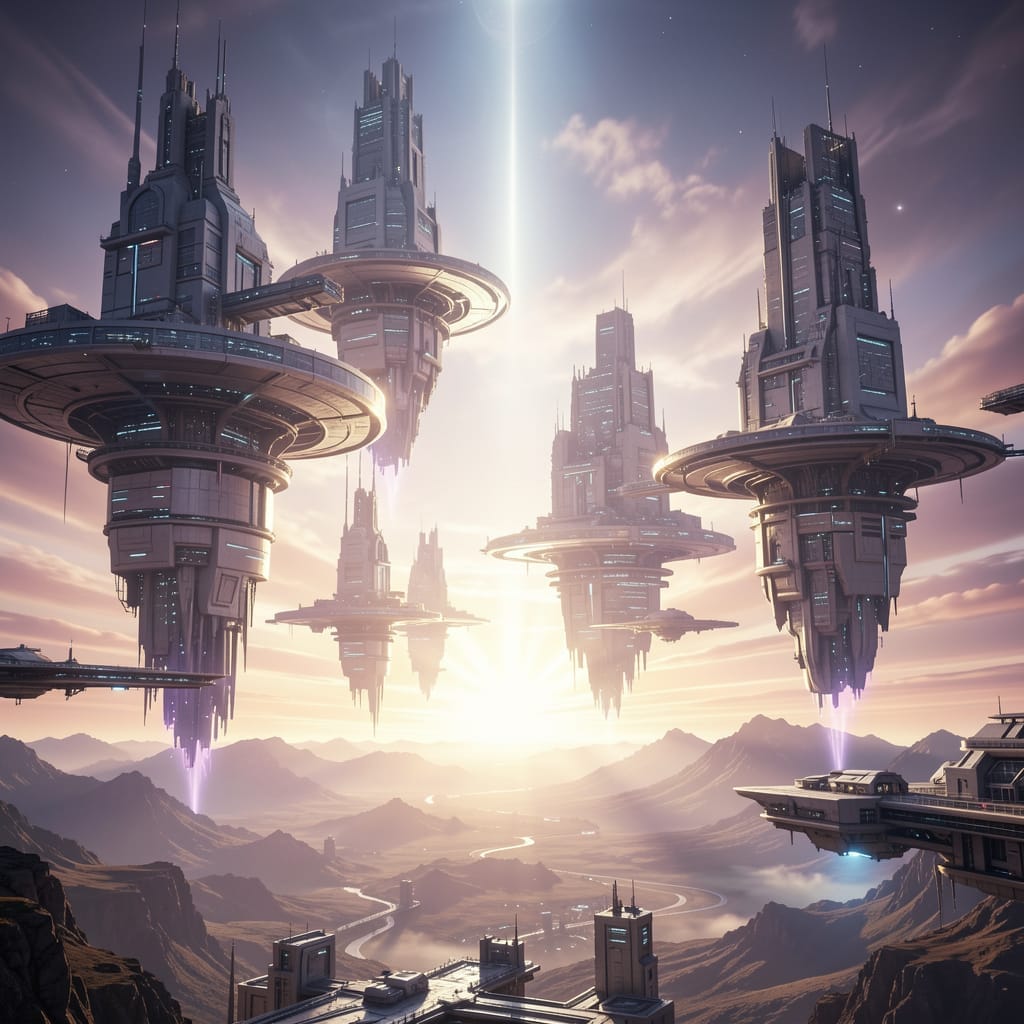
Advancements in AI, real-time rendering, and virtual production are merging filmmaking and digital art into a single medium. Today, creators can build entire worlds with tools that were once exclusive to major studios.
This convergence reflects a broader industry trend: cinema and interactive media are increasingly intertwined, driven by technology and audience demand for immersive experiences .
Jean-Philippe operates at the forefront of this movement, using modern tools not just for efficiency, but for creative expansion.
Creative Process: Building Worlds Frame by Frame
While each artist’s workflow is unique, the cinematic nature of Roswarcus’ work suggests a process rooted in storytelling fundamentals:
1. Concept First
Every piece begins with a narrative seed:
- A lone figure in a storm
- A forgotten city reclaimed by nature
- A moment of quiet before chaos
2. Visual Blocking
Like a film director staging a scene, elements are arranged to:
- Direct attention
- Establish mood
- Create tension
3. Lighting as Emotion
Lighting is arguably the most powerful storytelling tool. Warm tones suggest safety or nostalgia, while cold, harsh lighting can create unease.
4. Post-Processing & Depth
Final touches enhance realism and cinematic quality:
- Depth of field
- Grain
- Colour grading
These techniques echo film production methods, where post-processing shapes the final emotional impact.
Why Cinematic Storytelling Works
The success of creators like Jean-Philippe is not accidental—it’s rooted in psychology.
Cinematic storytelling works because it:
- Engages the viewer emotionally
- Encourages curiosity and interpretation
- Creates memorable experiences
Research into cinematic narration shows that structured storytelling helps audiences form mental connections and recall narratives more effectively .
In simple terms: people remember stories, not images.
AI and the Future of Storytelling
AI is transforming creative industries, but for artists like @Roswarcus, it is not a replacement—it is a tool.
Used correctly, AI allows creators to
- Rapidly prototype ideas
- Experiment with visual styles
- Scale production without losing creativity
However, the key differentiator remains human vision. Tools can generate images, but only the artist can create meaning.
Leave a Reply