Author: J Niurnaitis
Introduction: A Heartfelt Breakthrough
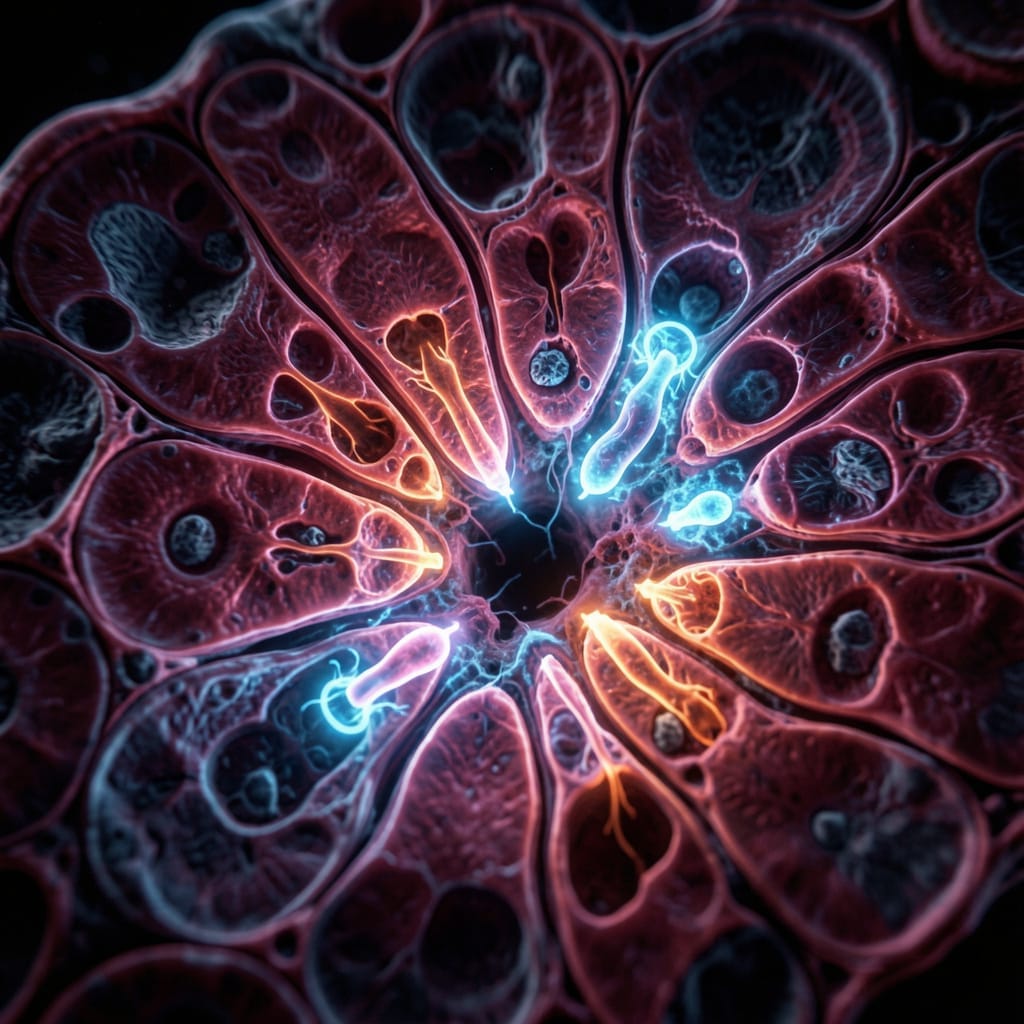
In what may be one of the most exciting updates in cardiovascular science in decades, researchers have shown that human hearts can regrow muscle cells after a heart attack, lsomething scientists previously only observed in mice. This landmark discovery, led by specialists from the University of Sydney, the Baird Institute, and Royal Prince Alfred Hospital in Sydney, challenges a long‑held belief: that human heart muscle is irreparably damaged once lost.
For patients and cardiologists alike, this raises a tantalising possibility — that one day the heart could not just survive a heart attack, but actually repair itself. The implications for treating heart failure and other cardiovascular conditions could be enormous
What the Study Found: Cells Re‑Dividing After Damage
Until now, the long‑accepted dogma in cardiology has been that after a heart attack (myocardial infarction), heart muscle cells — known as cardiomyocytes — don’t divide in adults, and the damaged muscle is replaced with scar tissue that never contracts. Scar tissue, unlike muscle, doesn’t help the heart pump, which is why many survivors develop chronic heart failure.
However, the new study unequivocally shows that human heart cells can re‑enter the cell cycle and begin dividing after injury — a process called mitosis — marking the first time this has been observed in humans rather than animal models.
This discovery doesn’t mean your heart suddenly becomes Wolverine — the regeneration observed was modest — but it’s an essential proof‑of‑principle that the human heart does have a natural, though limited, capacity to repair itself.
How the Researchers Made It Happen
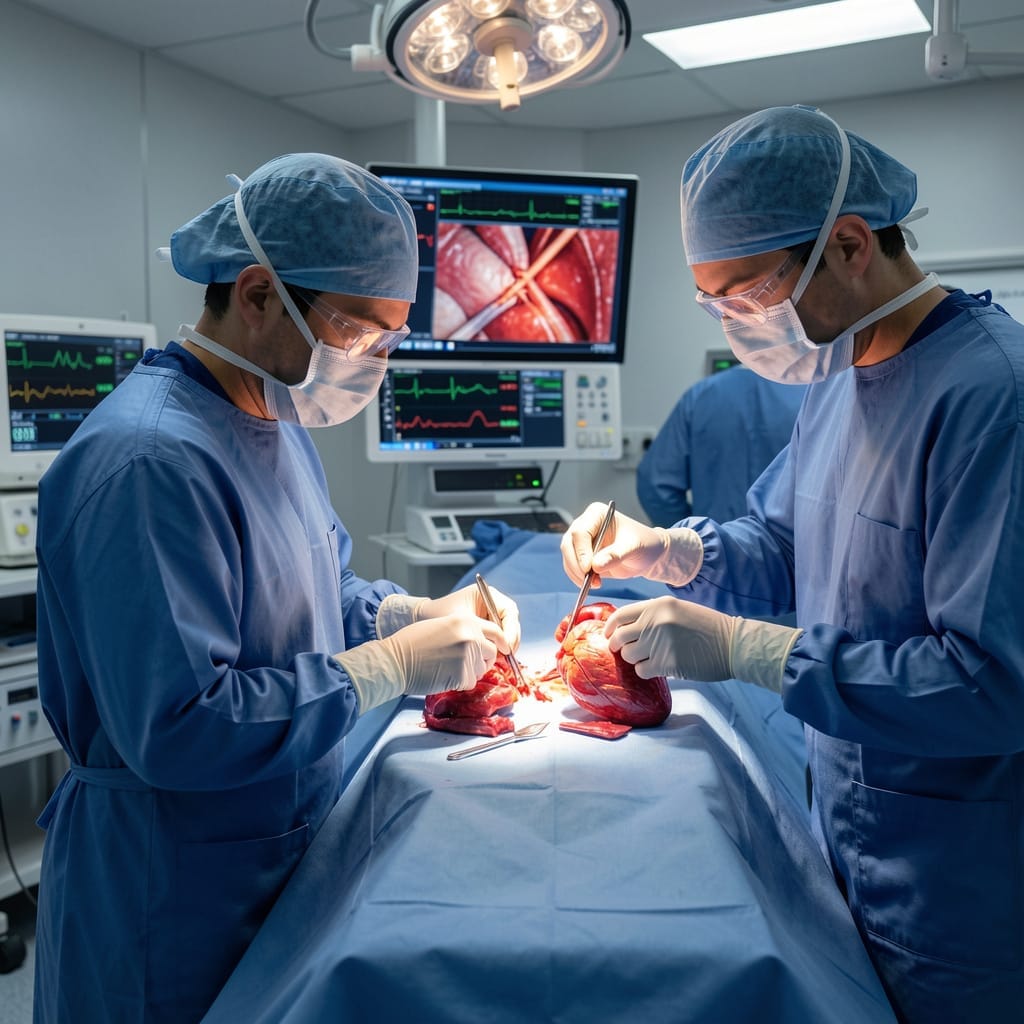
A key part of the breakthrough was a novel method for collecting living heart tissue from patients undergoing bypass surgery. Using specialised techniques, the researchers took samples from both mechanically healthy and severely damaged parts of the heart, allowing them to observe cell division directly in human tissue. This “pre‑mortem” sampling provided the clearest picture yet of how hearts behave after a major injury.
According to senior researchers, this lab model now gives scientists a powerful tool to test future regenerative therapies — therapies that might one day boost the heart’s own healing ability to levels that matter clinically, not just biologically.
Why This Matters: Heart Disease Still a Gj niurnaitislobal Killer
Heart disease remains the leading cause of death worldwide. In countries like Australia, about one in four deaths are due to cardiovascular disease, and many people who survive heart attacks go on to develop chronic heart failure a condition where the heart struggles to pump effectively, often with limited treatment options.
Transplants can cure heart failure, but they are incredibly limited — in Australia, for example, only about 115 heart transplants are performed each year, despite hundreds of thousands of people living with advanced disease.
That’s why this regeneration discovery isn’t just academic. It points toward a future where heart failure might be treated by growing new heart muscle instead of replacing or managing damaged tissue.
What It Doesn’t Mean (Yet)
Important nuance: while human hearts can regenerate new muscle cells, the amount observed is currently too small to fully repair a damaged heart on its own. In other words, your heart isn’t going to reinvent itself overnight. But scientists are excited because this gives them a biological foothold — a process they can now try to enhance with targeted therapies.
Think of it like finding a spark in a forest fire: small now, but with the potential to grow.
Closing Thought
This discovery marks a huge shift in our understanding of the human heart. For decades, the idea that adult human hearts could regenerate muscle cells was dismissed as wishful thinking. Now, science has caught the heart in the act of self‑repair. It’s not a miracle cure — yet — but it’s proof that our hearts are not the static, unchanging organs we once thought they were. They’re dynamic, adaptive, and maybe, just maybe, capable of healing themselves — if science gives them the right tools.
References
A published study in Circulation Research (Hume et al., 2025) and multiple reporting sources confirm human cardiomyocyte regeneration and its implications.
Did you enjoy this article? If it helped you or you just want to give us a little support, we’d really appreciate it! Listen to our latest song https://open.spotify.com/embed/album/2SaN3pXEYWeImtcY7jlZRE?utm_source=generator
Leave a Reply